Plants
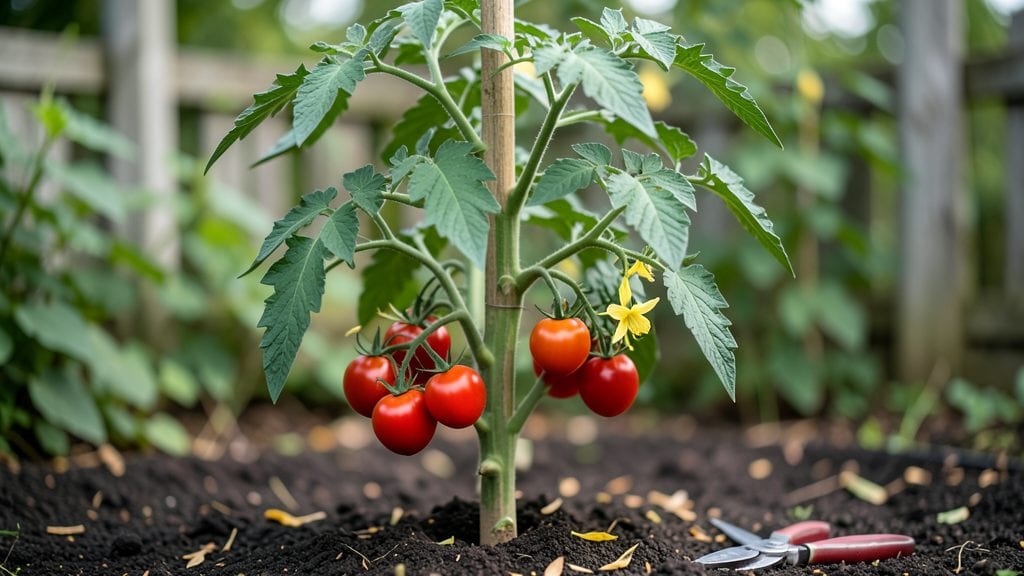
When tomato plant health crashes, it’s usually one of three things: too much water, not enough food, or something sneaky like blight hiding in the leaves.
I’ve watched my own plants go from lush and red to sad and droopy—until I learned the telltale signs and quick fixes that actually work. The key is catching problems early, before they turn your garden into a sad salad bar.
Most wilted leaves start with simple fixes: adjust your watering schedule, check for pests like aphids hiding under the leaves, or give the soil a boost with compost.
I’ve saved plants from the brink just by moving them to a sunnier spot and trimming back the lower leaves to improve airflow. The goal isn’t just to revive what’s there—it’s to build resilience so your plants bounce back stronger next season.
You’ll spot the difference in just a few days: leaves perk up, new growth appears, and those first green tomatoes start filling out. The best part?
Once you master these basics, your tomato plants won’t just survive—they’ll thrive, producing more fruit with fewer headaches. Let’s get those plants back in fighting shape.
This works for both backyard gardens and container-grown tomatoes, whether you’re dealing with early-season wilting or mid-summer stress. The same principles apply whether you’re growing heirlooms or cherry tomatoes—just adjust the care to match your climate. Ready to turn those sad stems into a productive harvest?
Root Causes Of Tomato Leaf Stress
Wilted, yellowing, or otherwise distressed tomato leaves rarely happen by accident—they’re usually the result of specific environmental or biological triggers. Understanding these causes is the first step toward restoring your plants’ vitality.
Below, we break down the most common reasons your tomato leaves might be struggling, along with the science behind them.
Tomatoes thrive in warm but not scorching conditions. When temperatures climb too high—especially above 90°F (32°C)—or drop below 50°F (10°C), your plants go into survival mode. Here’s how it happens:
- Heat Stress: High temperatures disrupt the plant’s ability to regulate water and nutrients. Stomata (tiny pores on leaves) close to conserve moisture, but this also blocks gas exchange, leading to wilting and scorched leaf edges.
- Cold Stress: Chilly nights slow metabolic processes, causing leaves to yellow (chlorosis) or develop brown, crispy patches. Cold snaps can also weaken cell walls, making plants more susceptible to disease.
- Sunburn: Intense afternoon sun (especially in hot climates) can cause sunscald, where leaves develop white or grayish patches and eventually die.
Pro Tip: 🌡️ Use shade cloth (30-50% coverage) during peak heat or plant tomatoes where they get morning sun and afternoon shade. Mulch with straw or grass clippings to regulate soil temperature.
Water is the lifeblood of tomato plants, but imbalances—whether from drought or overwatering—can trigger leaf distress. Here’s the science:
- Underwatering: When soil dries out, roots struggle to absorb water, causing cells to lose turgor pressure. Leaves wilt, curl, or develop crispy edges. Severe drought can lead to blossom end rot (a calcium deficiency symptom) due to disrupted nutrient transport.
- Overwatering: Soggy soil cuts off oxygen to roots, leading to root rot (often caused by Pythium or Phytophthora fungi). Symptoms include yellowing lower leaves, stunted growth, and a foul-smelling root system.
- Inconsistent Watering: Fluctuating moisture levels stress plants, causing split fruits and weak stems. Tomatoes need 1-2 inches of water per week, delivered deeply at the base.
Pro Tip: 💡 Water early in the morning (6-10 AM) to reduce evaporation and fungal risks. Use drip irrigation or soaker hoses to deliver water directly to roots, avoiding wet foliage.
Tomatoes are heavy feeders, and imbalances in essential nutrients can manifest as leaf problems. Here’s what’s likely missing—or overloading—your plants:
| Symptom | Likely Cause | Scientific Explanation |
|---|---|---|
| Yellowing between leaf veins (chlorosis) | Nitrogen (N) or Iron (Fe) deficiency | Nitrogen is crucial for chlorophyll production; iron helps transport it. Deficiencies stunt photosynthesis, turning leaves pale. |
| Purple or reddish stems/leaves | Phosphorus (P) deficiency | Phosphorus aids energy transfer in cells. Under stress, plants produce anthocyanins (pigments) as a survival mechanism. |
| Brown, dead spots on leaf edges | Potassium (K) deficiency or toxicity | Potassium regulates water and disease resistance. Too little causes weak cell walls; too much (from fertilizers) burns roots and leaves. |
| Crispy, curled leaves with dark spots | Calcium (Ca) deficiency (blossom end rot) | Calcium strengthens cell walls. Poor uptake (often from uneven watering) causes tissues to collapse. |
| Wilting despite moist soil | Magnesium (Mg) deficiency | Magnesium is central to chlorophyll. Deficiency causes interveinal chlorosis (yellowing between veins) and weakens vascular function. |
Pro Tip: 🔬 Test your soil every 2-3 years and amend with compost or balanced fertilizer (e.g., 10-10-10). For quick fixes, spray leaves with a chelated iron solution for chlorosis.
Unseen invaders can wreak havoc on tomato leaves faster than you think. Here’s how they strike:
- Fungal Infections (Early Blight, Late Blight):
- Alternaria solani (early blight) thrives in warm, humid conditions, causing concentric brown spots with yellow halos.
- Phytophthora infestans (late blight) spreads rapidly in cool, wet weather, creating oily, dark lesions that spread to stems and fruits.
- Bacterial Spot (Xanthomonas perforans): Leaves develop water-soaked spots that turn brown and crispy with yellow edges. Bacteria spread via wind and splashing water.
- Viral Diseases (Tobacco Mosaic Virus, TMV): Caused by sap-sucking insects (e.g., aphids), TMV creates mosaic patterns, stunted growth, and distorted leaves.
- Pests (Aphids, Spider Mites, Whiteflies): These sap-feeders inject toxins, causing leaves to curl, yellow, or develop stippling. Heavy infestations weaken plants, making them prone to secondary infections.
Pro Tip: 🛡️ Rotate crops annually, remove infected debris, and use neem oil or copper fungicides preventatively. For pests, introduce ladybugs or praying mantises as natural predators.
Even indirect factors like wind and air quality can harm tomato leaves:
- Wind Damage: Strong gusts desiccate leaves (cause rapid water loss) and can physically tear them. This is especially problematic for young, tender foliage.
- Air Pollution (Ozone, Sulfur Dioxide): Urban or industrial areas with high ozone levels cause stippling (tiny brown or gray specks) and leaf necrosis. Sulfur dioxide (from vehicle exhaust) leads to chlorosis and weakened cell membranes.
- Salt Buildup (from tap water or soil): Excess sodium or chloride disrupts osmosis, preventing roots from absorbing water. Symptoms include burnt leaf tips and stunted growth.
Pro Tip: 🌿 Plant tomatoes near windbreaks (e.g., corn or tall grasses) and use rainwater or distilled water if your tap water is high in salts. Avoid fertilizing during heatwaves to prevent salt burn.
Quick fixes for sick tomatoes
Seeing your tomato plants droop or turn yellow? Don’t panic—most issues have simple, effective solutions. Below, we’ll map the most common problems to actionable fixes, so you can revive your plants fast and keep them thriving. Remember, early intervention is key!
If your leaves are turning yellow (especially older ones), your tomatoes might be crying out for nutrients—or drowning in too much water.
🔥 Fix: Boost Nutrients & Adjust Watering
- Step 1: Test Your Soil 🌱 Grab a small sample from the root zone and check its moisture. If it’s soggy, cut back on watering—tomatoes hate wet feet. If it’s dry, water deeply but infrequently (aim for 1–1.5 inches per week).
- Step 2: Feed with Balance 🍽️ Yellowing can signal nitrogen deficiency (lower leaves) or potassium/magnesium lack (edges curling). Use a balanced fertilizer (like 10-10-10) or a tomato-specific mix. For magnesium, sprinkle Epsom salt (1 tbsp per gallon of water) every 2 weeks.
- Step 3: Improve Drainage 🚿 Amend heavy clay soil with compost or perlite. Raised beds or containers with drainage holes prevent root rot.
💡 Prevention Tip: Mulch with straw to retain moisture without waterlogging and add compost annually to replenish nutrients.
Wilting doesn’t always mean your plant is dead—it’s often a cry for help from heat, thirst, or pests.
🍳 Fix: Hydrate, Shade, and Inspect
- Step 1: Check the Roots 👨🍳 Gently tug on a stem. If it pulls out easily, roots may be dead (overwatering or disease). If soil is bone-dry, soak the base thoroughly—not just a light sprinkle.
- Step 2: Beat the Heat ☀️ Move potted tomatoes to partial shade (especially in 90°F+ weather) or use shade cloth. For in-ground plants, water early morning or late evening to reduce evaporation.
- Step 3: Hunt for Pests 🔍 Inspect undersides of leaves for aphids, spider mites, or whiteflies. Blast them off with water or use neem oil (1 tsp per quart of water, spray every 5–7 days).
✨ Pro Tip: Wilting can also mean blossom end rot (calcium deficiency). Sprinkle crushed eggshells around the base or use a calcium supplement like calcium nitrate.
Black spots, powdery white fuzz, or mushy stems? Fungi love damp tomatoes—and so do we, but not on our plants.
🔪 Fix: Fungicide & Airflow
- Step 1: Prune & Remove ⏰ Snip off infected leaves immediately and dispose of them (don’t compost!). Avoid wetting foliage when watering—aim for the soil.
- Step 2: Spray Natural Fungicides 🌿 Mix 1 tbsp baking soda + 1 tsp dish soap + 1 quart water and spray every 7–10 days. For severe cases, use copper fungicide (follow label rates).
- Step 3: Improve Air Circulation 💨 Space plants 18–24 inches apart and stake them to prevent leaves from brushing the ground. Remove suckers (side shoots) to reduce humidity in the canopy.
🎯 Prevention Tip: Rotate crops yearly (don’t plant tomatoes in the same spot) and choose disease-resistant varieties (like ‘Mountain Merit’ or ‘Defiant PhR’).
Holes in leaves, chewed fruit, or sticky residue? Pests are crashing your tomato party.
🍅 Fix: Trap, Remove, and Deter
- Step 1: Handpick & Drop 🕷️ Check for hornworms, cutworms, or Colorado potato beetles daily. Drop them into soapy water—no need for harsh chemicals!
- Step 2: Use Barriers 🛡️ Cover seedlings with floating row covers until flowering. For beetles, wrap stems with aluminum foil (they hate the texture).
- Step 3: Attract Predators 🐝 Plant basil, marigolds, or dill nearby to lure beneficial insects like ladybugs and lacewings. Spray with neem oil at night to avoid harming pollinators.
💡 Prevention Tip: Keep your garden weed-free—pests hide in weeds and jump to your tomatoes!
With these fixes, your tomato plants should bounce back in no time. The key is acting fast and preventing recurrence with smart care. Happy gardening! 🌱🍅
Frequently asked questions
Why are my tomato leaves turning yellow but the plant still looks healthy?
Yellowing leaves often signal nutrient deficiencies or overwatering. Check the older leaves first—yellowing there usually means nitrogen deficiency. If younger leaves yellow, it could be iron or magnesium. Test soil moisture: soggy soil means root rot, while dry soil needs deeper watering (1-2 inches per week).
Can I save a tomato plant with brown, crispy edges on the leaves?
Those edges likely mean potassium deficiency or salt buildup. Flush soil with water to reduce salts, then feed with a potassium-rich fertilizer (like banana peel tea). For severe cases, prune affected leaves and improve airflow by spacing plants 18-24 inches apart.
How do I tell if my wilting tomato plant needs water or shade?
Pull a stem gently—if it snaps easily, roots may be dead (overwatering). If soil is bone-dry, water deeply at the base. For heat stress, check for 90°F+ temps—move potted plants to partial shade or use shade cloth. Water early morning to prevent evaporation.
What’s the fastest way to fix blossom end rot?
Blossom end rot (dark spots on fruit) means calcium deficiency, often from uneven watering. Sprinkle crushed eggshells around the base or use calcium nitrate fertilizer. Keep soil consistently moist (not soggy) and mulch to retain calcium. Remove affected fruit to redirect plant energy.
Are my tomato plants safe to eat if they have pests?
Most pests (like aphids or spider mites) don’t make tomatoes toxic, but wash them thoroughly before eating. For heavy infestations, use neem oil (harmless when rinsed). Avoid chemical sprays—opt for handpicking pests or introducing ladybugs instead. Always check for signs of disease first.