Diseases
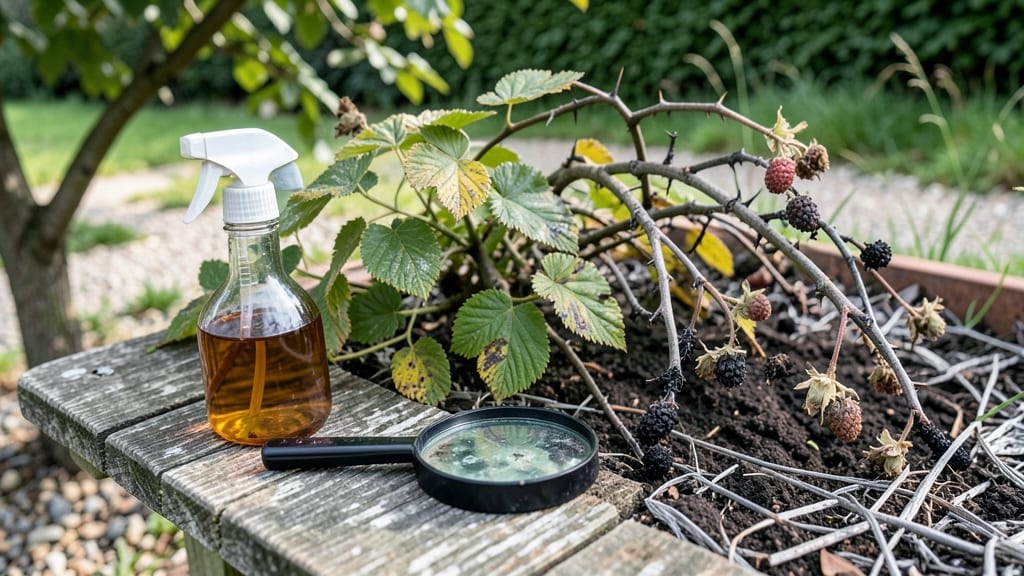
Raspberry plant diseases can turn your thriving patch into a sad, yellowing mess if you don’t catch them early. 🌿 I’ve lost entire canes to rust and blight, but I’ve also saved plants by spotting symptoms fast—like those weird orange spots on leaves or the black, mushy patches at the base.
The key is knowing what you’re dealing with before it spreads.
Most raspberry diseases start with too much moisture or crowded canes. Powdery mildew loves humid summers, while cane blight thrives when prunings pile up wet. The good news?
Simple fixes like spacing plants 2 feet apart, removing infected canes immediately, and watering at the base—not the leaves—can cut your risk by half. I’ve tried everything from baking soda sprays to copper fungicides, and some work better than others.
You’ll spot the difference within weeks: fewer spots, stronger canes, and berries that stay firm and sweet. The best part? Healthy plants fight off pests too. Start with a quick inspection every Friday afternoon—just 10 minutes can save your harvest.
When in doubt, snap a photo and compare it to the symptom guide later in this article.
For stubborn cases, don’t hesitate to call a local extension office. They’ve seen it all, and sometimes a targeted fungicide is the only way to win. But 90% of the time, it’s the little things—like cleaning your pruners with rubbing alcohol—that keep your raspberries thriving.
Let’s get those plants back in fighting shape.
Root Causes Behind Raspberry Ailments
Raspberry plants, like any living organism, are vulnerable to a range of diseases—some fungal, some bacterial, and others environmental. Understanding why these issues arise is the first step to preventing and treating them effectively.
Below, we break down the key factors that create the perfect storm for raspberry plant diseases, from microbial invaders to environmental stressors.
Most raspberry diseases start with a pathogen—a fungus, bacterium, or virus—that exploits weaknesses in the plant. These microbes are often already present in the soil or air but only cause problems when conditions favor their growth. Here’s how it happens:
- Fungal spores (e.g., Phytophthora, Botrytis) lurk in soil, mulch, or old plant debris. When moisture lingers, they germinate and infect leaves, canes, or roots.
- Bacterial cells (e.g., Xanthomonas, Pseudomonas) spread via water splashes, tools, or even infected plant material. They thrive in warm, humid conditions, entering the plant through wounds or natural openings like stomata.
- Viruses (e.g., Raspberry Bushy Dwarf Virus) rely on vectors like aphids or contaminated pruning tools to jump from plant to plant. Once inside, they hijack the plant’s cells, weakening its defenses.
Why it’s a problem: Raspberries lack natural immunity to many of these pathogens. Without intervention, infections spread rapidly, especially in dense plantings or poorly ventilated areas.
Water is a double-edged sword for raspberries. Overwatering creates soggy soil, which suffocates roots and invites fungal diseases like Phytophthora root rot. Meanwhile, underwatering stresses plants, making them more susceptible to bacterial infections and pests.
| Issue | How It Harms Raspberries | Diseases It Triggers |
|---|---|---|
| Poor drainage | Roots drown, oxygen starves them, and fungi thrive. | Phytophthora, Armillaria root rot |
| Frequent overhead watering | Leaves stay wet, creating a breeding ground for Botrytis (gray mold). | Botrytis cinerea, bacterial leaf spot |
| Drought stress | Weakened plants can’t fight off infections; wounds from pruning or pests become entry points. | Corynespora leaf spot, cane blight |
Why it’s a problem: Raspberries need consistent moisture but hate waterlogged soil. Improper irrigation disrupts their natural defenses, leaving them open to infection.
Pathogens don’t just appear—they wait for the right conditions. Raspberries are most vulnerable when temperatures and humidity align with a microbe’s ideal growing environment:
- Cool, wet springs (50–65°F): Fungal spores like Didymella (a cause of cane spot) germinate aggressively in damp air.
- Hot, humid summers (75–85°F + high humidity): Bacterial diseases (e.g., Xanthomonas) multiply rapidly, spreading through water droplets.
- Frost or sudden temperature swings: Stress weakens canes, making them easier targets for viruses and secondary infections.
Why it’s a problem: Raspberries are hardy, but extreme or inconsistent weather throws their immune system off balance. Pathogens exploit this by outcompeting beneficial microbes and overwhelming the plant’s natural resistance.
A raspberry plant under stress is like a person with a compromised immune system—any threat becomes dangerous. Common stressors include:
- Nutrient deficiencies: Lack of nitrogen, phosphorus, or micronutrients (e.g., magnesium) stunts growth, making plants more prone to fungal infections.
- Physical damage: Broken canes, pruning wounds, or insect bites create entry points for bacteria and fungi.
- Overcrowding: Poor air circulation in dense plantings traps moisture and spores, accelerating disease spread.
- Improper pruning: Leaving dead canes or cutting too late in the season invites pathogens to overwinter and reinfect.
Why it’s a problem: Healthy raspberries can fend off many diseases. But when they’re malnourished or injured, pathogens seize the opportunity, turning minor issues into full-blown outbreaks.
Key Takeaway: Raspberry diseases rarely strike out of nowhere. They’re the result of pathogens meeting ideal conditions in a weakened host. By addressing these root causes—proper watering, sanitation, spacing, and plant care—you can dramatically reduce the risk of infection and keep your raspberry patch thriving.
Quick Fixes for Raspberry Plant Woes
---
When your raspberry plants show signs of distress, acting fast can mean the difference between a thriving harvest and lost crops. Below are targeted solutions for the most common raspberry plant diseases, organized by cause. Each fix includes step-by-step instructions and prevention tips to keep your plants healthy long-term.
---
#### 🍄 Powdery Mildew – Scrub and Spray Powdery mildew appears as white, powdery patches on leaves and canes. It thrives in humid, shaded conditions but can be managed with these steps:
- 🔥 Remove Infected Parts: Prune and dispose of heavily infected leaves or canes immediately.
Do not compost them—burn or trash them to prevent spores from spreading. - 🍳 Homemade Spray: Mix 1 tablespoon of baking soda, 1 tablespoon of vegetable oil, and 1 teaspoon of dish soap in a gallon of water.
Spray the undersides of leaves (where spores love to hide) every 7–10 days. - 🌡️ Improve Airflow: Thin out dense canes and ensure plants get at least 6 hours of sunlight daily. Space plants 2–3 feet apart to reduce humidity buildup.
💡 Pro Tip: Apply a copper fungicide (like Bordeaux mixture) if mildew persists. Reapply every 2–3 weeks during wet seasons.
---
#### 🍅 Anthracnose – Prune and Protect This fungal disease causes dark, sunken spots on leaves, canes, and fruit. It’s aggressive but can be controlled with these measures:
- 👨🍳 Sterilize Tools: Clean pruners with 70% rubbing alcohol or a 10% bleach solution before and after use to avoid spreading spores. - 🔪 Prune Aggressively: Cut out all infected leaves, canes, and fruit—even if only a few spots appear.
Dispose of them in the trash, not the compost. - 🥘 Fungicide Treatment: Use a fixed copper fungicide (like Copper Sulfate) or a biological fungicide (like Serenade Garden).
Apply every 10–14 days during rainy seasons. - ⏰ Timing Matters: Apply fungicides preventatively in spring (before symptoms appear) and after heavy rains.
💡 Pro Tip: Plant raspberries in well-draining soil and avoid overhead watering. Water at the base of the plant in the morning to keep foliage dry.
---
#### 🍒 Botrytis Fruit Rot – Clean Up and Prevent This gray mold attacks ripe or injured fruit, causing them to rot. It’s common in crowded, humid conditions:
- 🍎 Remove Rotten Fruit: Pick off any moldy berries immediately—even if they’re still on the plant. Do not leave them on the ground. - 🌡️ Thin Canes: Overcrowded canes trap moisture.
Prune to allow good airflow and reduce humidity. - 🎯 Post-Harvest Care: After picking raspberries, sanitize containers with a bleach solution (1 part bleach to 9 parts water) to prevent mold spread. - ✨ Preventative Spray: Use a hydrogen peroxide spray (3% solution, diluted to 1:9 with water) every 2 weeks during fruiting season.
💡 Pro Tip: Avoid mulching too heavily near the base of plants. Use straw or wood chips sparingly to prevent moisture buildup.
---
#### 🌿 Bacterial Canker – Burn and Sterilize This disease causes oozing, sunken lesions on canes and can kill plants if untreated:
- 🔥 Burn or Bag Infected Canes: Remove and burn (or double-bag) all infected canes. Do not compost them. - 🍳 Sterilize Everything: Clean tools with bleach (1 part bleach to 3 parts water) before and after pruning.
Disinfect gloves, clothing, and surfaces that come into contact with infected plants. - 🌡️ Prune for Airflow: Thin out canes to reduce humidity and improve drying. Avoid overhead watering. - 🎯 Copper Spray: Apply a copper-based bactericide (like Copper Soap) every 2 weeks during the growing season.
💡 Pro Tip: Rotate planting locations every few years to prevent soil-borne bacteria from lingering.
---
#### 🍓 Bacterial Leaf Spot – Spray and Rotate Small, water-soaked spots on leaves that turn yellow and drop off? This is bacterial leaf spot:
- 👨🍳 Remove Infected Leaves: Pick off and dispose of spotted leaves immediately.
Do not compost them. - 🥘 Copper Bactericide: Spray plants with a copper fungicide (like Champ or Kocide) every 10–14 days during wet weather. - ⏰ Preventative Sprays: Apply a bacterial spray (like Serenade Biofungicide) in early spring before symptoms appear. - 🌱 Crop Rotation: Avoid planting raspberries in the same spot for 3+ years to break the bacterial cycle.
💡 Pro Tip: Water in the morning to allow foliage to dry quickly, reducing bacterial spread.
---
No matter the issue, these universal strategies will help keep your raspberry plants strong:
- 🌞 Choose the Right Location: Plant raspberries in full sun (6+ hours/day) with well-draining soil. Avoid low-lying areas where water pools. - 💦 Water Wisely: Deep watering at the base (not overhead) reduces fungal spores.
Water early in the day so plants dry quickly. - 🍃 Mulch Lightly: Use straw or wood chips, but keep mulch 2–3 inches away from the cane base to prevent rot. - 🔄 Rotate Crops: If possible, avoid planting raspberries in the same spot yearly.
Rotate with non-related plants like beans or herbs. - 🛠️ Keep Tools Clean: Always sterilize pruners and tools with rubbing alcohol or bleach before and after use. - 🌱 Buy Disease-Resistant Varieties: Consider Heritage, Boyne, or Nova raspberries, which are bred for better disease resistance.
---
With these targeted fixes, you can reverse damage and prevent future outbreaks. The key is early action—don’t wait until the problem spreads! 🚀
Frequently asked questions
What are the most common raspberry plant diseases I should watch for?
Look for powdery mildew (white powdery patches), anthracnose (dark sunken spots), botrytis fruit rot (gray mold on berries), and bacterial canker (oozing lesions). These four cause 80% of raspberry issues. Early detection is key—check leaves, canes, and fruit weekly during growing season.
Can I save my raspberry plants if they already have a disease?
Yes, but act fast! Remove infected parts immediately, sterilize tools with 70% rubbing alcohol, and apply targeted treatments like copper fungicides or baking soda sprays. For bacterial canker, you may need to remove entire canes to prevent spread. Prevention is easier than cure—focus on airflow and sanitation moving forward.
How do I prevent raspberry diseases without chemicals?
Start with proper spacing (2-3 feet between canes) for airflow, water at the base (not overhead), and mulch lightly with straw. Use homemade sprays like 1 tablespoon baking soda + 1 tablespoon oil per gallon of water for mildew. Rotate planting locations every 3 years and remove old debris to break disease cycles.
Why do my raspberry leaves keep getting yellow spots?
Yellow spots are often bacterial leaf spot or nutrient deficiency. Check for water-soaked spots (bacterial) or yellowing between veins (nutrient issue). Treat bacterial spots with copper sprays and improve soil with compost. For deficiencies, test soil pH and add micronutrients like iron or magnesium.
Are some raspberry varieties more disease-resistant?
Heritage, Boyne, and Nova varieties are bred for better disease resistance. If you're in a humid climate, choose disease-resistant types and avoid susceptible varieties like Heritage in wet areas. Local extension offices can recommend the best varieties for your region.