Pruning
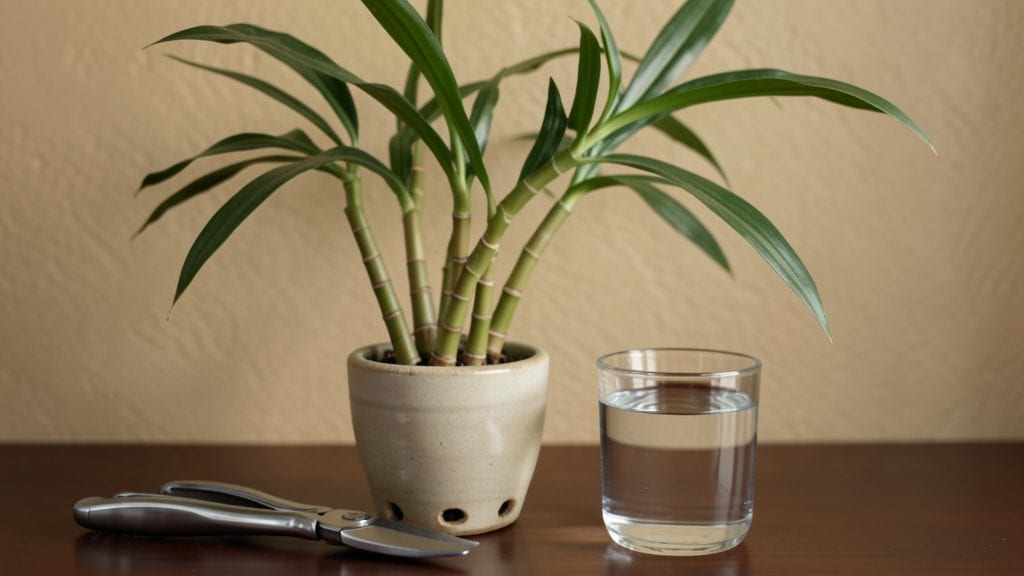
Pruning bamboo plants saves your yard from becoming a jungle—literally. I’ve wrestled with runaway bamboo that threatened my patio furniture, and the right cuts make all the difference.
The key isn’t just hacking away; it’s understanding when to trim, how deep to cut, and whether your bamboo is the clumping or running type.
You’ll need sharp pruners, gloves, and a clear day to work. For clumping bamboo, focus on removing dead canes at the base in early spring. Running bamboo demands more: dig up rhizomes in late winter or use barriers to contain its spread.
Think of it like training a fast-growing puppy—consistency is everything.
After pruning, your bamboo will bounce back with fresh, vibrant shoots within weeks. The secret is cutting just above a node (that little bump on the stem) to encourage new growth.
Avoid over-trimming, or you’ll stress the plant. With the right approach, you’ll have a well-behaved bamboo that stays lush without taking over.
This method works year-round, but timing matters. Early spring is ideal for shaping, while late summer helps control height. Whether you’re dealing with a towering clumper or an aggressive runner, these steps keep your bamboo healthy—and your property intact.
📚 In This Guide
- What you need
- Instructions
- Tips and common mistakes
- Wrapping up and next steps
What you need
- ● Pruning shears or loppers: Choose bypass pruners (for clean cuts) or loppers (for thicker stems, up to 2 inches in diameter). Ensure they’re sharp and disinfected to prevent disease spread. 🔪
- ● Gloves: Heavy-duty gardening gloves (preferably waterproof) to protect your hands from sharp edges and sap.
- ○ Safety glasses: Optional but recommended if your bamboo has thorny varieties or you’re working near your face.
- ● Disinfectant (70% rubbing alcohol or bleach solution): 1 part bleach to 9 parts water for sterilizing tools between cuts.
- ● Rake or broom: To clear away cuttings and debris afterward.
- ● Compost bin or bag: For disposing of healthy pruned material (avoid composting diseased parts).
- ● Pruning saw: For extremely thick bamboo stalks (over 2 inches in diameter).
- ● Knee pads: If you’ll be kneeling frequently or have joint concerns.
- ● Marking spray or tape: To label areas for future reference (e.g., "Do Not Prune" zones).
- ● Root barrier material: If you’re pruning running bamboo and want to reinforce containment.
Instructions for pruning bamboo plants: a seasonal approach
Here’s how I control bamboo’s aggressive growth while keeping your plants healthy and contained—no guesswork, just results.
Identify the Right Time to Prune
Spring is the best time to prune bamboo, right after new shoots emerge but before full leaf growth appears. This timing lets you shape the plant while it’s still flexible, and it avoids stressing the roots during dormancy. If you missed spring, late summer works too—just avoid pruning in fall or winter when the plant is conserving energy.
Look for new growth as your signal. These shoots are tender and easier to trim than hardened stems. Avoid pruning during heatwaves or extreme cold, as the plant needs time to recover. I always prune on a mild, overcast day to reduce stress on the plant.
Remove Dead or Damaged Canes
Start by cutting out any dead, diseased, or broken canes at the base with clean, sharp pruners. These canes won’t recover and can spread decay to healthy parts of the plant. Cut just above the soil line to avoid leaving stubs that can rot. If a cane is hollow or discolored, remove it immediately—it’s a sign of fungal infection.
I also trim any canes that are leaning excessively or growing in unwanted directions. Use your pruners to make a clean cut at a 45-degree angle about ½ inch above a node (the bump where leaves or branches grow). This encourages new growth in the right direction and keeps the plant balanced.
Thin Out Overcrowded Canes
Bamboo spreads rapidly, so thinning is key to preventing a tangled mess. Step back and identify the thickest, healthiest canes—these are your keepers. Remove 1 in 3 canes to improve airflow and reduce competition for nutrients. Cut these at the base, just like you did with the dead canes.
Thinning also helps control the plant’s spread if it’s growing too aggressively. For clumping bamboo, focus on removing canes that are pushing outward from the center. For running bamboo, you’ll need to dig up and remove rhizomes (underground stems) later, but thinning the canes now reduces future work.
Shape the Plant for Balance
Now it’s time to refine the plant’s shape. Step back and visualize the ideal form—whether that’s a rounded bush or a more open, airy look. Trim back any canes that are too long or out of place by cutting them at a node or branch junction. Avoid cutting back into old wood, as bamboo won’t regrow from there.
For a fuller look, you can also pinch back the tips of new shoots to encourage branching. Just snip off the top ½ inch of the shoot with your pruners. This trick works best on young, flexible growth. Avoid over-pruning—never remove more than ⅓ of the plant’s foliage at once, or you’ll shock the bamboo.
Clean Up and Monitor Growth
After pruning, remove all cuttings from the area to prevent disease or pests from lingering. Dispose of diseased canes in the trash, not the compost. Rake up any fallen leaves or debris around the base of the plant to keep the area clean and reduce humidity, which can encourage fungal growth.
Keep an eye on the bamboo over the next few weeks. If you see new shoots emerging from the base, that’s a good sign—it means the plant is recovering well. If the bamboo starts to look leggy or sparse, it may need a light fertilizer or more sunlight. Adjust your pruning approach next season based on how it responds.
Tips & tricks for pruning bamboo plants
Pruning bamboo can feel intimidating, but these simple tricks will help you maintain healthy growth without stressing your plants.
The Timing Factor: Spring is your best window for pruning because new shoots are tender and flexible, making them easier to shape. If you miss spring, late summer is your second chance—but avoid pruning in fall or winter when the plant conserves energy. I always check for new growth as my signal—those fresh shoots are the perfect indicator that it's time to act.
Tool Prep Matters: Before you start cutting, make sure your pruners are clean and sharp. Dull blades tear stems instead of making clean cuts, which can damage the plant and invite disease. I also like to sterilize my pruners with rubbing alcohol between cuts, especially when dealing with diseased canes. This small step prevents cross-contamination and keeps your bamboo healthy.
Visual Cues for Pruning: When shaping your bamboo in Step 4, look for the nodes—the small bumps where leaves or branches grow. Cutting just above a node encourages new growth in the right direction. For a fuller look, pinch back the tips of new shoots by snipping off the top ½ inch. This trick works best on young, flexible growth and helps create a bushier plant without over-pruning.
Cleanup is Critical: After pruning, remove all cuttings from the area immediately. Diseased canes should go straight into the trash, not the compost. I also rake up fallen leaves and debris around the base to reduce humidity, which can encourage fungal growth. A clean workspace means healthier bamboo and fewer problems down the line.
Pro Tips for Pruning Bamboo Plant
- Pruning bamboo can feel intimidating, but these simple tricks will help you maintain healthy growth without stressing...
- The Timing Factor: Spring is your best window for pruning because new shoots are tender and flexible, making them eas...
- Tool Prep Matters: Before you start cutting, make sure your pruners are clean and sharp. Dull blades tear stems inste...
Frequently asked questions
Got questions about pruning bamboo? We’ve got answers! Whether you're a first-timer or a seasoned gardener, these FAQs will help you prune like a pro—without the stress.
When is the best time to prune bamboo?
The ideal time to prune bamboo is late winter or early spring (before new growth starts) to avoid stressing the plant. However, you can also prune in summer or fall if needed—just avoid heavy pruning during extreme heat or cold. For running bamboo, prune aggressively in late winter to contain spread.
How do I stop bamboo from spreading uncontrollably?
Use barrier methods (like buried edging or root barriers) to contain running bamboo. For clumping bamboo, prune old canes at the base in late winter to redirect energy to new growth. Never cut the roots—this can kill the plant!
Can I prune bamboo in winter?
Yes, but lightly! Prune only dead or damaged canes in winter to avoid shocking the plant. Heavy pruning in cold months can weaken bamboo, especially in freezing climates. Wait for spring to shape or reduce size aggressively.
What if my bamboo looks sad after pruning?
Don’t panic! Bamboo recovers quickly. If it looks leggy or sparse, fertilize with a balanced 10-10-10 mix and water deeply. Yellowing leaves? Check for overwatering or nutrient deficiency. Most bamboo bounces back in 4-6 weeks with proper care.
Are there alternatives to pruning for controlling bamboo?
Yes! For running bamboo, try:
- Root barriers (buried plastic or metal)
- Underground trenches (filled with gravel)
- Regular digging (removing rhizomes yearly)
Wrapping up and next steps
Pruning bamboo isn’t just about keeping your plants in check—it’s your secret weapon for healthier, more manageable growth and a lush, controlled landscape. 🌿 Whether you’re tackling clumping or running varieties, the key lies in timing, technique, and consistency.
With the right tools and a little patience, you’ll transform potential chaos into a stunning, low-maintenance feature that thrives year-round.
Ready to take the next step? Grab your pruners and schedule your first pruning session—your bamboo (and your sanity) will thank you! For extra confidence, watch a quick tutorial or join a local gardening group to swap tips with fellow bamboo enthusiasts. Happy pruning!