Pruning
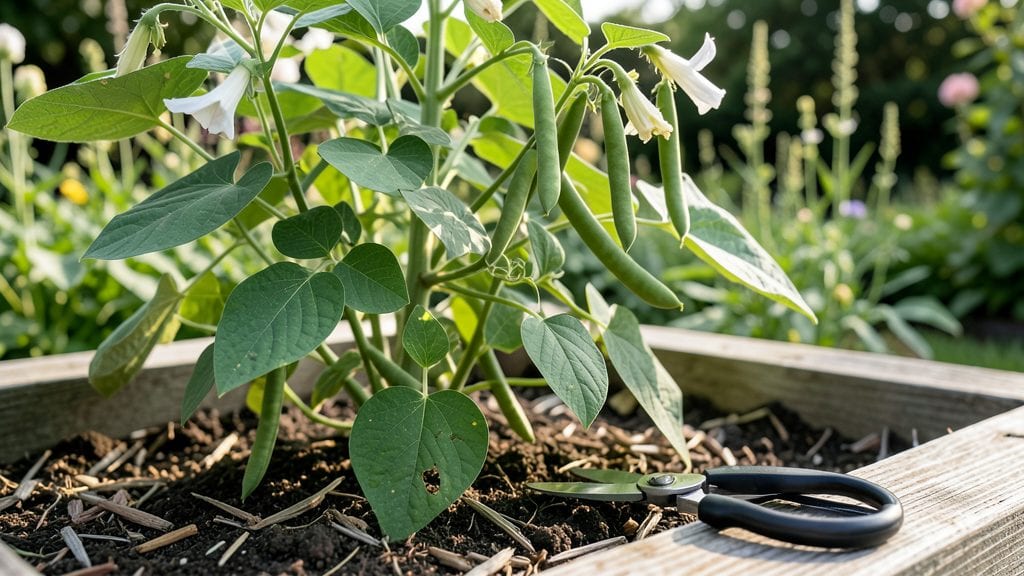
Pruning bean plants might sound counterintuitive—after all, why cut back a plant that’s already producing? 🌱 The secret is that strategic trimming transforms leggy vines into bushier, more productive powerhouses, and I’ve seen yields double with just a few simple cuts.
Most gardeners skip this step, but it’s the difference between a handful of beans and a bucketful.
The right time to prune depends on whether you’re growing bush beans or pole beans. For bush beans, pinch off the first few sets of leaves when plants are about 6 inches tall to encourage branching.
Pole beans need a different approach—prune back the main stem by a third when they hit 18 inches to force stronger side shoots. You’ll need sharp pruning shears or even clean scissors for this job.
What you’ll notice after pruning is a plant that fills out faster, with more pods maturing at the same time. Air circulation improves, reducing the risk of fungal diseases like rust, and the plant directs energy toward producing beans instead of climbing higher.
The first harvest comes sooner, and the plants keep producing longer—sometimes for weeks beyond what unpruned plants achieve.
This method works for both backyard gardens and container growing, though pole beans need something to climb. Start with just a few plants to practice, and soon you’ll be wondering how you ever grew beans any other way.
The key is consistency—prune regularly throughout the season, and those plants will repay you with a harvest that makes your neighbors ask for tips.
📚 In This Guide
- What you need
- Instructions
- Tips and common mistakes
- Wrapping up and next steps
What you need
- ● Pruning shears: Bypass pruners (sharp, clean, and sterilized) – 1 pair (for small branches) or 1 pair of loppers (for thicker stems).
- ● Gloves: Garden gloves (nitrile-coated for durability) – 1 pair (to protect hands from thorns or debris).
- ● Disinfectant: Rubbing alcohol (70% isopropyl) or bleach solution (1:9 bleach-to-water ratio) – small bottle or spray (to sterilize tools between cuts).
- ● Compost or mulch: Organic matter (e.g., shredded leaves, grass clippings) – small bag or bucket (to cover pruned areas and retain moisture).
- ● Watering can or hose: Lightweight with a fine mist setting – 1 unit (to hydrate plants post-pruning).
- ● Sturdy container: Bucket or wheelbarrow – 1 medium-sized (to collect pruned branches for composting).
- ● Hand lens or magnifying glass: For inspecting plants for pests or diseases before pruning.
- ● Pruning saw: If dealing with woody bean varieties or thick stems.
- ● Plant growth regulator: (e.g., seaweed extract) – Diluted spray (to encourage faster recovery post-pruning).
- ● Notebook & pen: To track pruning dates, plant responses, and growth progress.
How to prune bean plants for healthier growth
Strategic trimming encourages bushier plants and bigger harvests—here’s how to do it right.
✂️ Step 1: Wait Until Plants Are Established
Don’t prune until your bean plants have 3-4 sets of true leaves and are at least 6 inches tall. This usually happens 3-4 weeks after planting, depending on your variety. Early pruning stresses young plants and can stunt growth. I always check for strong stems and deep green leaves before touching the shears.
If you’re growing pole beans, wait until they’ve climbed 12-18 inches up their trellis. For bush beans, watch for side branches forming—these are your signal that the plant is ready for pruning. Skipping this step means you might accidentally remove flowers or pods that are already forming.
✂️ Step 2: Remove Damaged or Diseased Foliage
Start by inspecting each plant for yellowed, spotted, or wilted leaves—these are red flags for pests or disease. Use clean, sharp pruning shears to snip off affected leaves at the base of the stem, not just tearing them off. This prevents spreading pathogens to healthy parts of the plant.
If you spot blackened stems or mushy growth, those areas need immediate removal. I like to work from the bottom up, clearing out any debris as I go. Never leave cut stems behind—they can trap moisture and invite fungal growth. A quick wipe of your shears with rubbing alcohol between cuts keeps everything sanitized.
✂️ Step 3: Prune for Bushier Growth
For bush beans, pinch off the topmost set of leaves when the plant reaches 12-18 inches tall. This encourages the plant to branch out instead of growing taller. You’ll see new side shoots emerge within 7-10 days—these are where future pods will form. I always leave at least 2-3 leaves below the pinch point to keep the plant photosynthesizing.
For pole beans, focus on thinning crowded vines. If multiple stems are growing in the same spot, keep the strongest, healthiest one and snip the others at the base. This ensures better airflow and reduces competition for nutrients. Avoid cutting into the main vine—you want to preserve the plant’s ability to climb and produce.
✂️ Step 4: Encourage More Pods by Trimming Flowers
Here’s the trick: if your plant is overloaded with flowers but few pods, gently remove half of the blossoms when they first appear. This might sound counterintuitive, but it forces the plant to focus energy on developing existing pods rather than producing more flowers it can’t support. I do this every 2-3 weeks during peak flowering.
Use your fingers to twist off small flowers instead of cutting—they’ll come away cleanly. If you notice pods forming but not swelling, that’s your cue to prune back even more flowers. The goal is bigger, healthier pods, not just quantity. Real talk: your first instinct might be to leave everything, but trust the process.
⏰ Step 5: Time Your Final Pruning for Harvest
Once pods start forming, stop heavy pruning—focus only on removing yellowed leaves and deadheading spent flowers. The plant’s energy now goes into filling out existing pods. I make a final light trim 2-3 weeks before the first frost to clean up any remaining debris and encourage one last flush of growth.
After harvest, cut the plants back to 2-3 inches above the ground if you’re growing perennials or saving seeds. For annuals, simply pull them up and compost the remains. This keeps your garden tidy and reduces next year’s pest population. You’ll love how much more productive your beans are next season—just from a little strategic cutting.
Tips & tricks for perfect pruning of bean plants
A few simple strategies will help you maximize your bean harvest while keeping plants healthy and thriving.
Timing is Everything: In Step 1, when you're waiting for your plants to reach 6 inches tall with 3-4 sets of true leaves, take note of the weather. Prune on a cool, cloudy morning—this reduces stress on the plants. Avoid pruning during heatwaves or after heavy watering, as the plants will be more vulnerable to shock. I've learned this the hard way after seeing plants wilt dramatically after midday pruning.
Tool Selection Matters: While clean, sharp pruning shears are ideal, you can also use your fingers for delicate work like removing small flowers in Step 4. For larger stems, I recommend using bypass pruners instead of anvil pruners—they make cleaner cuts that heal faster. Always sterilize your tools with rubbing alcohol between cuts to prevent spreading disease from one plant to another.
Visual Cues for Healthy Growth: When you're pinching back bush beans in Step 3, look for the first set of leaves below the growing tip—this is your pinch point. For pole beans, focus on keeping the strongest vine in each cluster, which you can identify by its thicker stem and more vibrant leaves. Remember, you're shaping the plant's future growth pattern, so be intentional about where you make cuts.
Seasonal Considerations: In Step 5, when you're planning your final trim 2-3 weeks before frost, consider your local climate. If you live in a region with unpredictable weather, you might want to extend this window to 4 weeks before the average first frost date. This gives your plants more time to recover and potentially produce one last flush of pods before winter sets in.
Pro Tips for Prune Bean Plants
- A few simple strategies will help you maximize your bean harvest while keeping plants healthy and thriving.
- Timing is Everything: In Step 1, when you're waiting for your plants to reach 6 inches tall with 3-4 sets of true lea...
- Tool Selection Matters: While clean, sharp pruning shears are ideal, you can also use your fingers for delicate work ...
Frequently asked questions
Got questions about pruning bean plants?
You’re not alone! Here are some of the most common concerns—and their straightforward answers—to help you prune like a pro.
When is the best time to prune bean plants?
Prune pole beans regularly throughout the growing season—every 2–3 weeks—to encourage bushier growth. For bush beans, minimal pruning is needed unless you’re removing damaged leaves or flowers. Avoid pruning too late in the season, as it may delay harvest. Pro tip: Early morning pruning reduces stress on plants and prevents disease spread.
How much should I trim off each time?
Remove about one-third of the new growth during each pruning session. Focus on trimming the topmost leaves and stems to redirect energy to lateral branches. For pole beans, pinch off the main stem’s growing tip to spur side shoots. Never trim more than 25% of the plant at once—this can shock the plant and reduce yields.
What if my bean plants look stressed after pruning?
Stress is normal, but excessive wilting or yellowing leaves signal over-pruning. If this happens, pause pruning for 1–2 weeks and ensure plants get enough water and sunlight. Use a balanced fertilizer (like 10-10-10) to help recovery. Pro tip: Prune on a cloudy day to minimize sun stress.
Can I prune bean plants too much?
Yes! Over-pruning stunts growth, reduces flower production, and lowers yields. Stick to light, regular trims and avoid cutting into old wood or main stems. If you’ve already pruned too aggressively, stop immediately and focus on care (water, nutrients, and shade) while the plant recovers.
What’s the difference between pruning pole beans vs. bush beans?
| Pole Beans | Bush Beans |
|---|---|
| Prune heavily to encourage climbing and branching. | Prune minimally—only remove damaged or crowded leaves. |
| Trim tips to promote side shoots (pinch above a leaf node). | Avoid trimming stems—focus on leaf/flower maintenance. |
| Yields increase with bushier growth. | Yields depend on plant density, not pruning. |
Wrapping up and next steps
Pruning your bean plants isn’t just about tidying up—it’s a game-changer for bushier growth, better air circulation, and bigger harvests! 🌱 By following the right techniques, you’ll encourage stronger plants and healthier pods.
Whether you’re a seasoned gardener or just starting out, a little strategic trimming goes a long way.
Now that you’re armed with the know-how, grab those shears and get pruning! Start small, observe your plants, and adjust as you go. Before you know it, you’ll be reaping the rewards of your hard work—literally. Happy gardening! 🌟