Diseases
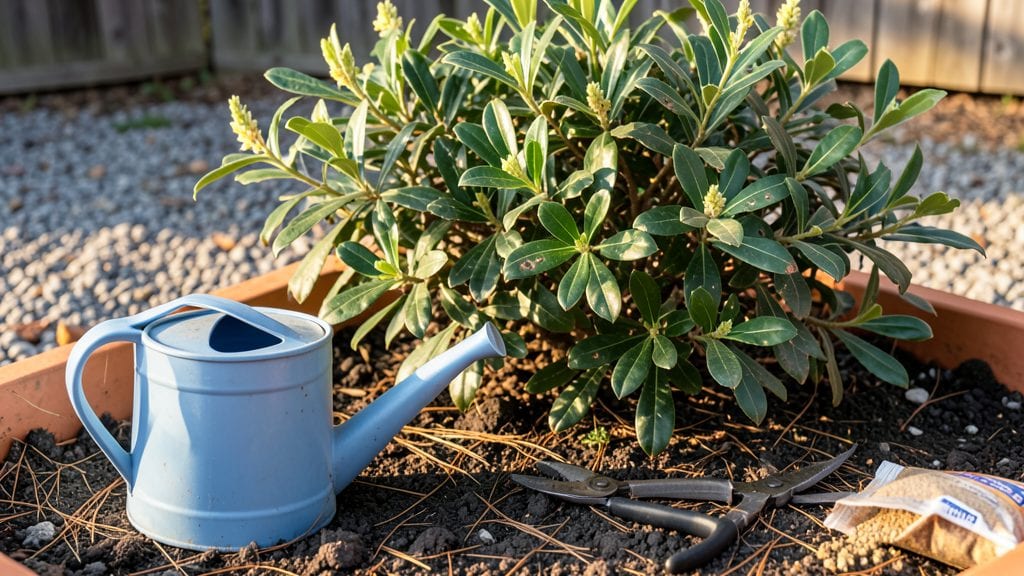
Is your laurel plant showing signs of those common laurel plant diseases—wilted leaves or mysterious spots?
That’s fungal blight talking, and I’ve seen it turn healthy shrubs into sad, yellowing messes. 🌿 The first step is spotting the signs—dark spots on leaves, blackened stems, or that telltale powdery coating—and knowing exactly which disease you’re dealing with can save your plant before it’s too late.
Most fungal blights thrive when laurel plants are stressed—overcrowded, waterlogged, or starved of nutrients. I learned the hard way that skipping pruning or ignoring soil drainage turns a healthy shrub into a disease magnet.
The good news? Simple fixes like improving airflow, adjusting watering habits, and cleaning up fallen leaves can cut your risk by half.
Once you’ve identified the blight, treatments range from homemade sprays (baking soda or neem oil) to targeted fungicides for stubborn cases. I’ve had best results with a mix of copper fungicide and proper spacing—my laurels stayed lush all summer after just one treatment.
The key is acting fast before the fungus spreads.
Prevention is where real gardeners shine. Prune regularly, avoid overhead watering, and mulch to keep soil dry. I’ve kept my laurels blight-free for three seasons now, and the secret is treating them like the high-maintenance divas they can be—with just the right balance of care and vigilance.
Root Causes Behind Laurel Ailments
Laurel plants, with their glossy leaves and aromatic allure, are prized in gardens and landscapes—but they’re not immune to stress. When diseases strike, the culprits are often environmental, biological, or even human-related.
Understanding these triggers is the first step to prevention and treatment. Let’s break down the why behind the most common issues plaguing your laurels.
Laurels thrive in specific conditions, and when those needs aren’t met, their defenses weaken, inviting diseases like fungal blight. Here’s what throws them off balance:
- Poor Air Circulation: Dense foliage or overcrowded planting creates a humid microclimate—perfect for fungal spores to latch on. Laurels need space to breathe, especially in warm, damp climates.
- Excessive Moisture: Overwatering or soggy soil (often from poor drainage) drowns roots, suffocating them and creating ideal conditions for Phytophthora and other water-loving pathogens.
- Temperature Swings: Sudden drops below 30°F or prolonged heatwaves stress laurels, weakening their natural resistance. Cold damage, in particular, opens wounds where fungi can enter.
- Improper Soil pH: Laurels prefer slightly acidic to neutral soil (pH 6.0–7.0). Soil that’s too alkaline (pH >7.5) locks out essential nutrients like iron and manganese, stunting growth and leaving plants vulnerable.
💡 Pro Tip: Mulch with organic matter (like pine bark) to improve drainage and regulate soil temperature—but keep mulch 2–3 inches away from the stem to prevent rot.
Diseases don’t just happen—they’re invited by pathogens that exploit weak spots. Here’s how the worst offenders gain a foothold:
| Disease | How It Starts | Trigger Points |
|---|---|---|
| Laurel Blight (Phytophthora) | Water mold spreads via spores in splashing water or contaminated soil. |
|
| Powdery Mildew | Fungal spores thrive in high humidity and low light. |
|
| Root Rot (Fusarium/Pythium) | Fungi attack damaged roots in wet conditions. |
|
🔥 Key Insight: Most fungal diseases spread through water. Avoid wetting leaves when watering, and prune in dry weather to minimize spore dispersal.
Sometimes, the problem isn’t nature—it’s us. Laurels are hardy but sensitive to mismanagement. Here’s how well-meaning gardeners accidentally invite disease:
- Over-Pruning: Heavy cuts (especially late in the season) leave large wounds that take weeks to heal, giving fungi a gateway. Always use sterilized tools and prune gradually.
- Improper Planting Depth: Burying the stem too deep or planting too shallow stresses the root collar, making it susceptible to rot and pests.
- Ignoring Pest Damage: Chewed leaves or sap-sucking insects (like spider mites) weaken laurels, making them easier targets for secondary infections.
- Using Contaminated Tools or Soil: Reusing pruners on infected plants or adding compost from diseased areas spreads pathogens like wildfire.
🎯 Prevention Checklist:
- ✅ Sterilize pruners with rubbing alcohol between cuts.
- ✅ Space laurels 3–6 feet apart for airflow.
- ✅ Water at the base, not overhead.
- ✅ Test soil pH and amend if needed (aim for 6.0–7.0).
By addressing these root causes—whether environmental, biological, or cultural—you’ll fortify your laurels against disease. The next step? Spot the signs early to nip problems in the bud.
Quick Fixes for Laurel Ailments
Reviving your laurel plant starts with pinpointing the issue—and acting fast. Below, we map out practical, step-by-step solutions for the most common diseases, from fungal blights to bacterial rot. Each fix includes prevention tips to keep your plant thriving long-term.
**🔥 Cause: Overhead watering, poor airflow, or damp foliage
1️⃣ Prune & Isolate (🔪⏰)
- Remove infected leaves with clean, sterilized pruners (dip in rubbing alcohol or bleach solution).
- Isolate the plant** until symptoms disappear to prevent spread.
- Pro Tip: 💡 Don’t compost infected leaves—dispose of them in the trash instead.
2️⃣ Fungicide Spray (🧴🌿)
- Use a copper-based fungicide (like Bordeaux mixture) or a neem oil spray (1 tsp neem oil + 1 tsp mild soap per quart of water).
- Apply every 7–10 days until new growth appears.
- Pro Tip: 🌡️ Spray early in the morning to avoid fungal growth from evening moisture.
3️⃣ Improve Airflow & Light (🌬️☀️)
- Space plants 2–3 feet apart to allow air circulation.
- Move to a sunnier spot (6+ hours of direct light daily).
- Water at the base (never overhead) and avoid wetting leaves.
**🔥 Cause: Contaminated water, wounds, or humid conditions
1️⃣ Sterilize & Remove (🧼🚫)
- Cut off infected leaves immediately—bacteria spread fast!
- Disinfect pruners** with 70% isopropyl alcohol after each cut.
- Pro Tip: ✨ Avoid pruning during wet weather—bacteria thrive in moisture.
2️⃣ Copper Fungicide (🛡️🔄)
- Apply a copper fungicide (like Copper Soap) every 10–14 days for 3–4 weeks.
- Do NOT use neem oil—it won’t kill bacteria.
3️⃣ Adjust Watering (💧🌱)
- Water deeply but infrequently—let the top 1–2 inches of soil dry out between waterings.
- Use sterile water (rainwater or filtered tap water left out for 24 hours).
**🔥 Cause: Overwatering, poor drainage, or compacted soil
1️⃣ Check & Repot (🕵️♂️🪴)
- Gently remove the plant from its pot and inspect roots.
- Trim black/mushy roots** with sterilized scissors.
- Pro Tip: 🎯 Healthy roots are firm and white—discard any that smell rotten.
2️⃣ Repot in Fresh Soil (🌿🔄)
- Use a well-draining potting mix (add perlite or sand for aeration).
- Choose a pot with drainage holes (terracotta is ideal).
- Water lightly for the first week to avoid stressing the roots.
3️⃣ Adjust Care Routine (⚖️💧)
- Water only when the top 1–2 inches of soil are dry.
- Ensure the pot has drainage—never let it sit in saucers of water.
- Pro Tip: 💡 Mulch with gravel to keep moisture away from the base.
To keep your laurel plant disease-free: ✅ Water at the base—never overhead. ✅ Space plants for airflow (2–3 feet apart). ✅ Use sterilized tools when pruning. ✅ Inspect regularly for early signs of trouble. ✅ Avoid wetting leaves—especially in humid climates. ✅ Rotate pots occasionally for even sunlight exposure.
🌟 Quick Recap:
- Fungal issues? → Prune, fungicide, improve airflow.
- Bacterial spot? → Sterilize, copper spray, adjust watering.
- Root rot? → Repot, trim roots, fix drainage.
With these fixes, your laurel should bounce back in 2–4 weeks—just stay consistent! 🌿💪
Frequently asked questions about laurel plant diseases
How do I tell if my laurel plant has a fungal infection?
Watch for dark, greasy-looking spots on leaves or stems—this is a classic sign of laurel blight. You might also see yellowing between leaf veins or a white, powdery coating (powdery mildew). Check the undersides of leaves too, as fungal spores often start there.
Can I save my laurel if it already has root rot?
Yes, but act fast! Remove the plant, trim away all mushy, black roots, and repot it in fresh, well-draining soil. Use a pot with drainage holes and avoid watering until new growth appears. If the roots smell foul, the infection may be too severe to recover.
What’s the best natural remedy for laurel diseases?
A homemade baking soda spray (1 tsp baking soda + 1 quart water + a drop of dish soap) works well for fungal issues like powdery mildew. For stubborn cases, neem oil (1 tsp per quart of water) applied every 7–10 days can help. Always test on a small leaf first.
Why does my laurel keep getting sick even after treatment?
If diseases keep returning, check your care routine. Overhead watering, poor airflow, or compacted soil are common culprits. Space plants 2–3 feet apart, water at the base, and improve drainage. Sterilize pruning tools between cuts to prevent reinfection.
Is it safe to use chemical fungicides on edible laurel varieties?
Only use food-safe fungicides like copper-based sprays (e.g., Bordeaux mixture) on edible laurels. Avoid synthetic chemicals during harvest. Always follow label instructions and wait the recommended days before consuming leaves or berries.