Picking
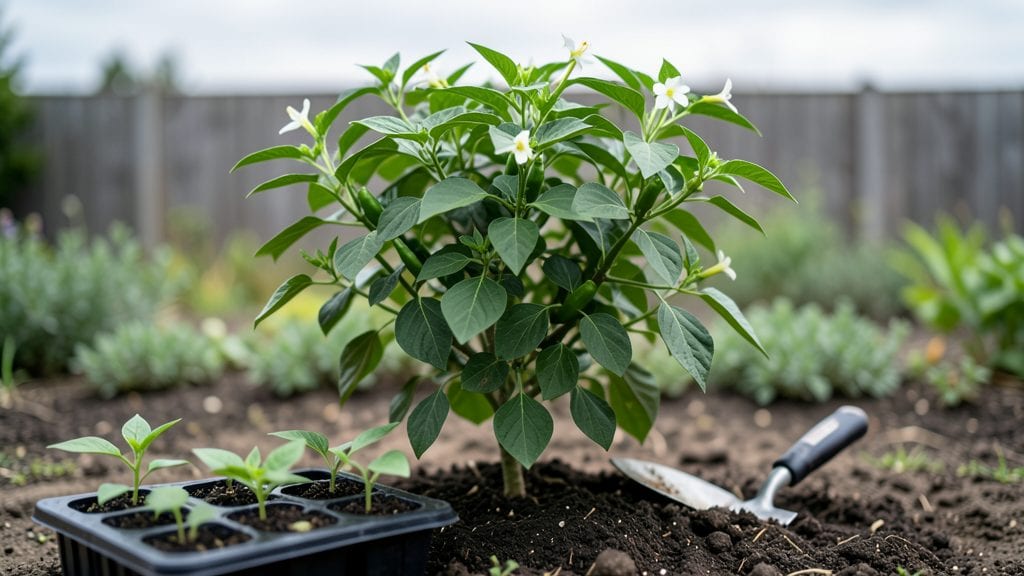
Planting habanero peppers from seed gives you fiery flavors store-bought plants can't match—just 90 days from seed to harvest. 🌱 I learned the hard way that these heat-lovers need perfect conditions, but once you nail the basics, they're shockingly easy to grow.
The secret starts with timing: seeds need warmth to germinate, and the plants crave long, hot summers to bulk up their fruit.
You'll need a sunny spot with at least 6 hours of direct sunlight daily, well-draining soil mixed with compost, and patience for slow early growth. Most gardeners start seeds indoors 8-10 weeks before last frost, then transplant seedlings after all danger of frost has passed.
The key is keeping them warm—habaneros bolt (flower prematurely) if temperatures dip below 55°F.
By midsummer, you'll see those telltale white flowers appear, followed by tiny green peppers that turn orange and eventually red. With proper care, a single plant can produce 50-100 peppers—each one packing serious heat.
The real payoff comes when you taste your first homegrown habanero: nothing beats the fresh, fruity fire you can't find in grocery stores.
Works best in zones 9-11, but cooler climates can grow them in containers moved indoors during winter. Just be ready for the spice—these aren't for the faint of heart! Let's get those seeds started.
📚 In This Guide
- What you need
- Instructions
- Tips and common mistakes
- Wrapping up and next steps
What you need
- ● Habanero seeds: 5–10 seeds (or starter plants if transplanting). Pro tip: Choose heat-resistant varieties like 'Carolina Reaper' or 'Orange Habanero' for extra kick! 🌡️
- ● Containers or garden bed: Containers: 5–12" deep pots (1 plant per pot) with drainage holes.
- ● Garden bed: Full sun (6+ hours/day) with well-draining soil (pH 6.0–7.0).
- ● Potting mix: 1 bag (1–2 cubic feet) of high-quality, peat-free mix with perlite or vermiculite for aeration.
- ● Fertilizer: Balanced (10-10-10) or tomato-specific fertilizer: 1–2 tbsp per plant (follow label instructions).
- ○ Compost or worm castings: 1 cup per plant (optional but recommended for nutrients).
- ● Watering can or hose: With a gentle spray nozzle for seedlings.
- ● Plant labels: 5–10 labels (to track varieties and planting dates).
- ● Grow lights: For indoor starts (12–16 hours/day if natural light is <6 hours).
- ● Plant heat mat: To keep soil warm (70–85°F for germination).
- ● Pruning shears: For shaping plants and removing suckers.
- ● Cage or stakes: To support taller varieties (e.g., 'Blazing Arrow').
- ● Row cover or shade cloth: For young plants (if temperatures exceed 90°F).
- ● Spray bottle: For misting seedlings (prevents fungal issues).
Step-by-Step instructions for growing habanero peppers from seed
Here's how to cultivate fiery habaneros with precision—from seed to harvest in just 90 days.
🌱 Step 1: Start Seeds Indoors 8-10 Weeks Before Last Frost
Fill 2-3 inch deep seedling trays with sterile seed-starting mix and moisten it until damp but not soggy. Habanero seeds need warmth to germinate, so place the tray on a seedling heat mat set to 80-85°F. Press one seed ¼ inch deep in each cell—deeper planting delays germination.
Cover the tray with a clear plastic dome or plastic wrap to retain moisture and warmth. Check daily for condensation; if it fogs up, remove the cover for 10 minutes to prevent fungal growth. Germination typically takes 10-20 days, but habaneros can be finicky—don't give up if sprouts don't appear immediately.
☀️ Step 2: Provide Bright Light and Prevent Leggy Growth
Once seedlings emerge, remove the dome immediately to prevent damping-off. Place them under a grow light positioned 2-3 inches above the tray, providing 14-16 hours of light daily. Habaneros grow leggy quickly if light is insufficient—you'll see thin stems with leaves spaced far apart.
Rotate the tray quarter-turn daily so seedlings grow straight. After 2-3 weeks, when seedlings have 2-3 true leaves, transplant them into 4-inch pots filled with well-draining potting mix. Handle seedlings by their leaves, not stems, to avoid damage.
🪴 Step 3: Harden Off and Transplant After Frost
Two weeks before your last frost date, begin hardening off seedlings by placing them outside in a sheltered spot for 1-2 hours daily. Gradually increase exposure over 7-10 days, ending with full sun. Habaneros thrive in full sun and 70-90°F temperatures—choose a warm, sunny garden spot.
Transplant seedlings into the garden when nighttime temperatures stay above 55°F. Space plants 18-24 inches apart in well-amended soil with compost. Bury stems slightly deeper than in pots to encourage root growth. Water deeply at transplanting to settle soil around roots.
💧 Step 4: Water and Fertilize for Maximum Heat Production
Habaneros need consistent moisture but hate soggy soil. Water at the base 1-2 inches deep when the top 1-2 inches of soil feel dry. Avoid wetting leaves to prevent fungal diseases like powdery mildew. Mulch around plants with 2-3 inches of organic mulch to retain moisture and regulate soil temperature.
Feed plants every 2-3 weeks with a balanced liquid fertilizer diluted to half strength. Habaneros are heavy feeders—you'll see vibrant green leaves and rapid growth when nutrients are sufficient. Stop fertilizing 4-6 weeks before harvest to allow flavors to concentrate.
✂️ Step 5: Prune and Harvest for Peak Spice
Pinch off the first few flowers to encourage bushier growth and larger peppers. Habaneros produce fruit along the main stem and branches, so prune leggy growth to redirect energy. Harvest peppers when they turn bright orange or red—this is when capsaicin (the heat compound) peaks.
Use pruning shears to cut peppers at the stem, leaving a small stub. Wear gloves if you're sensitive to heat! Store fresh peppers in the fridge for 1-2 weeks or dry them for long-term storage. With proper care, each plant yields 20-50 peppers, enough for bold salsas, hot sauces, or spicy dishes.
Tips & tricks for perfect habanero pepper cultivation
Growing habanero peppers from seed rewards patience with explosive flavor—but only if you nail these key details.
Heat Mat Precision: The 80-85°F seedling heat mat range is non-negotiable for germination. Too cool and seeds may never sprout; too hot and they'll dry out. I use a digital thermometer to verify the mat's actual surface temperature—some models run hotter than advertised. For backup, place a second tray on top of your fridge (where it's naturally warm) if your heat mat fails.
Lighting Strategy: Those 14-16 hours of daily light in Step 2 are critical for preventing leggy seedlings. If your grow lights aren't strong enough, supplement with a second light source positioned slightly farther away. I've found LED grow lights with 5000K color temperature work best—they mimic sunlight's spectrum perfectly. Rotate your seedlings quarter-turn daily to ensure even growth toward all light sources.
Transplanting Technique: When moving seedlings to 4-inch pots after 2-3 weeks, use the "leaf-grip" method: pinch the base of the leaves (not the stem) to lift each seedling. This preserves root integrity. Bury stems slightly deeper than they were in trays—this encourages stronger root development at the buried stem sections. Water immediately after transplanting to help settle the soil around delicate roots.
Fertilizer Timing: The 2-3 week feeding schedule in Step 4 works because habaneros are heavy feeders, but timing matters. Always fertilize in the morning so nutrients have time to absorb before evening. I switch to a fish emulsion (diluted to half strength) during flowering—it provides phosphorus that boosts fruit production. Stop fertilizing 4-6 weeks before harvest to let flavors concentrate, but don't skip the final watering before this period.
Pro Tips for Habanero Pepper Planting
- Growing habanero peppers from seed rewards patience with explosive flavor—but only if you nail these key details.
- Heat Mat Precision: The 80-85°F seedling heat mat range is non-negotiable for germination. Too cool and seeds may nev...
- Lighting Strategy: Those 14-16 hours of daily light in Step 2 are critical for preventing leggy seedlings. If your gr...
Frequently asked questions
Got questions about growing your own fiery habanero peppers? You’re not alone—this spicy adventure can raise a few eyebrows (and maybe some sweat!). Here are answers to the most common questions to help you grow like a pro.
When is the best time to plant habanero seeds?
Habaneros thrive in warm soil—wait until nighttime temperatures stay above 70°F (21°C). Start seeds indoors 8–10 weeks before your last frost date, then transplant seedlings after the last frost. If you’re in a hot climate, direct-sow seeds after April for best results. Patience is key!
Can I grow habaneros in containers or pots?
Habaneros love containers—just use a pot at least 12 inches deep and wide with drainage holes. A 5-gallon container per plant works well. Ensure it gets 6+ hours of sunlight daily and use a well-draining potting mix. Bonus: Containers make it easy to move plants if frost threatens!
Why are my habanero plants wilting or turning yellow?
Yellowing leaves or wilting often signal overwatering or poor drainage. Habaneros hate soggy roots—let soil dry slightly between waterings. Check for pests like aphids or nutrient deficiencies (add compost or a balanced fertilizer). If leaves curl, it might be heat stress—provide afternoon shade in extreme heat.
How do I know when habanero peppers are ready to harvest?
Harvest when peppers are firm, bright orange/red, and 1–2 inches long. For extra heat, wait until fully ripe. Use pruning shears to snip stems—never pull to avoid damaging the plant. Pro tip: Harvest regularly to encourage more peppers! Store in a cool, dry place or freeze for later.
What can I do if my habanero plants get too leggy or sparse?
Leggy plants need more light—move them to a sunnier spot or use a grow light. Pinch off lower leaves to improve airflow and reduce disease risk. If growth is slow, try a low-nitrogen fertilizer (like 5-10-10) to boost flowering. Prune aggressively to redirect energy to fruit production!
Wrapping up and next steps
Growing habanero peppers from seed is a rewarding journey that delivers fiery flavors in just 90 days! With the right soil, sunlight, and care, you’ll be harvesting vibrant, heat-packed peppers to spice up your favorite dishes.
Whether you’re a seasoned gardener or a curious beginner, this spicy adventure is well worth the effort—so grab those seeds and get planting!
Ready to take the next step? Start small—try a few plants in pots or a dedicated garden bed—and experiment with varieties to find your perfect heat level. Happy growing, and may your harvest be extra hot! 🌶️🔥